DIY vs. Professional Assessments
Individuals considering air quality assessments often face the choice between DIY methods and hiring professional services. DIY Air Quality Testing can involve using online resources and purchasing testing kits from local stores or online retailers. These kits can measure common pollutants like mold, radon, and volatile organic compounds. While this option may appear cost-effective, it can lack the depth and accuracy required for a comprehensive understanding of indoor air quality.
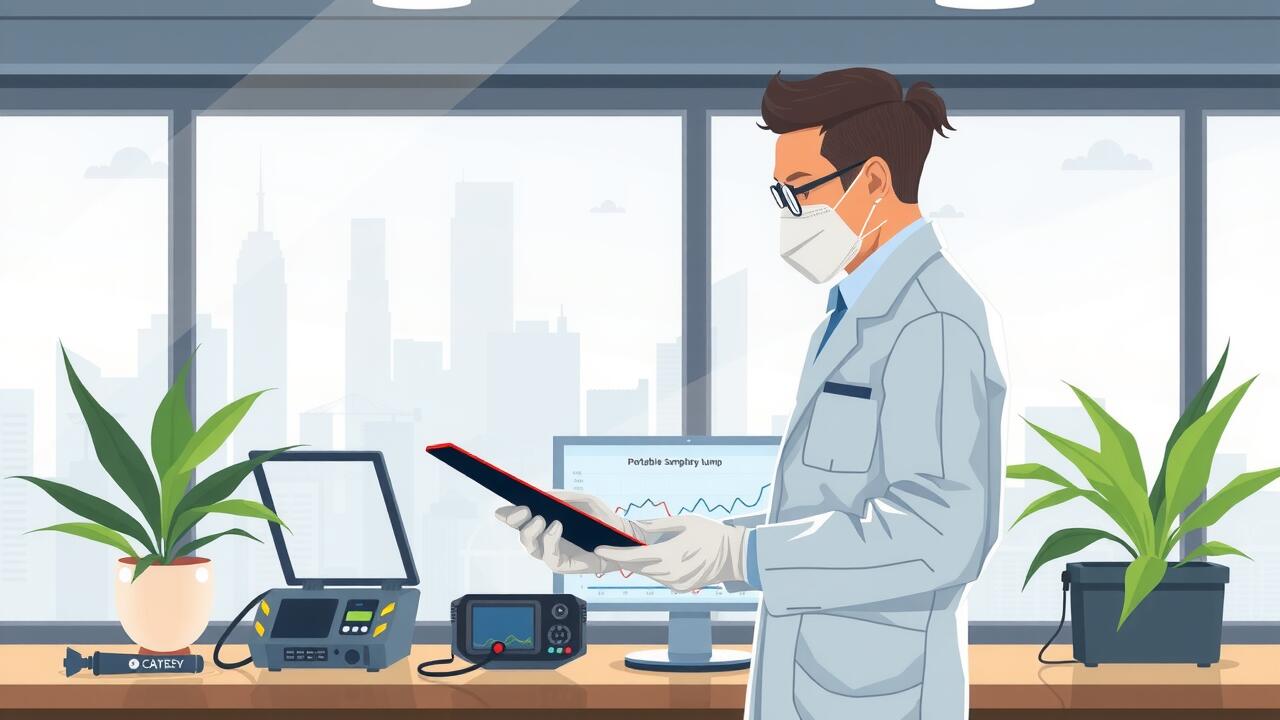
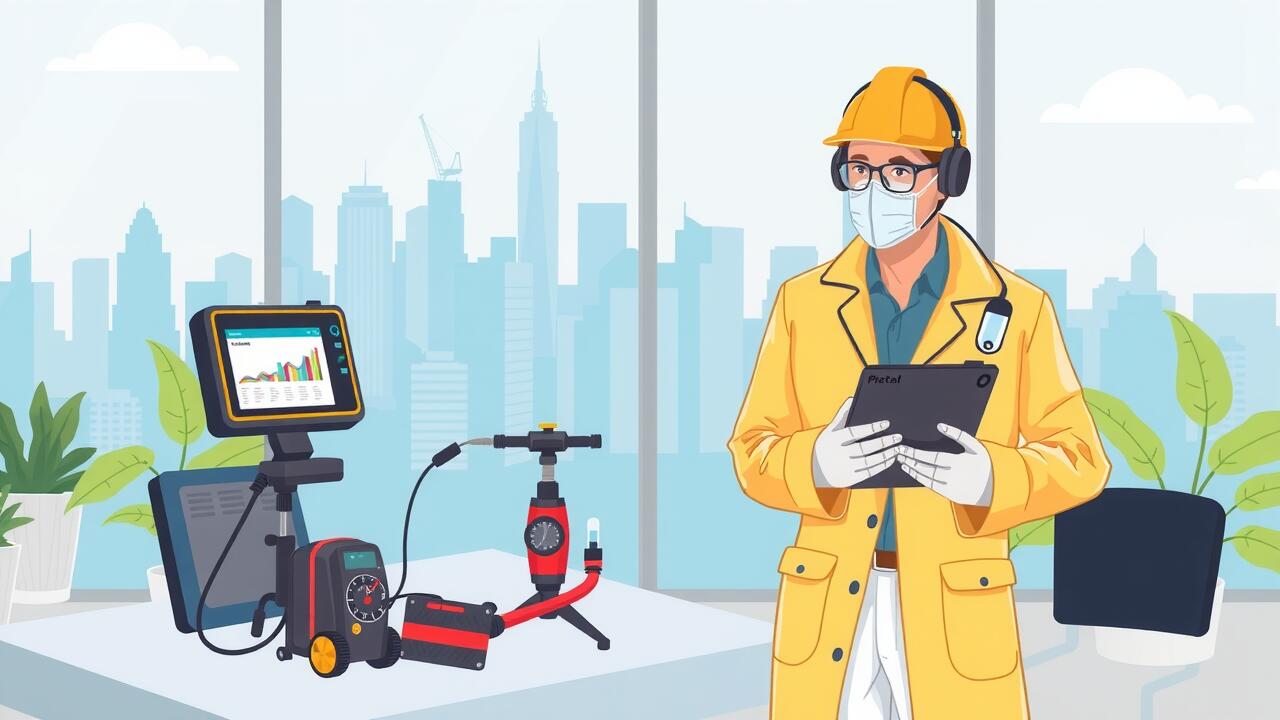
On the other hand, professional assessments offer a thorough analysis by certified experts. These professionals use advanced equipment and techniques to provide precise measurements of various contaminants in the air. Additionally, they interpret the data and offer recommendations for improving air quality. Although hiring professionals typically comes with a higher price tag, the insights gained from certified air quality testing can significantly benefit health and safety in the long term.
Cost Comparison
The cost of air quality assessments can vary significantly depending on the method chosen. DIY air quality testing kits are often the most budget-friendly option, generally ranging from $20 to $100. These kits provide basic measurements of pollutants like mold, VOCs, and particulate matter. While they are accessible and affordable, the accuracy and comprehensiveness of results can be limited compared to professional assessments.
Professional air quality testing typically entails a higher investment, with prices ranging from $300 to $1,500 or more. These assessments involve thorough testing conducted by certified experts who use advanced equipment to measure various pollutants and assess overall air quality. Professional services not only provide detailed reports but also actionable recommendations, making them a worthwhile investment for those seeking in-depth insights into their indoor environment.
Insurance and Air Quality Assessments
Insurance policies may vary significantly when it comes to coverage for air quality assessments. Many homeowners' insurance plans do not explicitly cover air quality testing, especially if the testing is conducted due to concerns about existing environmental issues. It is advisable for homeowners to closely review their policy documents or consult with their insurance agents to understand the specific provisions related to air quality assessments.
Some insurers may offer add-ons or specific endorsements that cover the costs associated with air quality testing. This coverage can be particularly important for properties located in areas prone to pollution or other environmental hazards. Access to insurance reimbursement for such assessments can alleviate financial concerns, making regular testing more feasible and helping to ensure a safe indoor environment.
Coverage Options
Homeowners seeking to understand their insurance coverage in relation to air quality testing should first review their policy documents. Many standard homeowner's insurance policies do not cover costs associated with air quality evaluations. Understanding the specific language of the policy is crucial, as it may contain exclusions related to environmental hazards or pollutants.
Some insurers offer add-ons or riders that cover additional services like air quality testing. In these cases, policyholders can have peace of mind knowing that their coverage extends to important assessments that can affect health and property value. Consulting with an insurance agent can provide clarity on available options and help tailor a policy to meet one's needs.
Importance of Regular Assessments
Regular air quality assessments play a crucial role in maintaining a healthy living environment. Air quality testing can identify harmful pollutants, allergens, and toxins that may pose health risks. By taking proactive measures, homeowners and businesses can mitigate these risks before they escalate, ensuring a safer atmosphere for occupants.
Furthermore, consistent assessments contribute to long-term environmental benefits. Air quality testing helps track changes and trends over time, enabling better decision-making regarding air purification and filtration systems. Being informed about indoor air quality empowers individuals to take appropriate actions, ultimately fostering a more sustainable and health-conscious community.
Health and Environmental Impacts
Air quality testing plays a crucial role in identifying pollutants that can adversely affect both human health and the environment. Poor air quality is linked to various respiratory issues, cardiovascular diseases, and even mental health disorders. Children, the elderly, and individuals with pre-existing health conditions are particularly vulnerable to the harmful effects of airborne contaminants. Regular assessments help in detecting these hazards early, allowing for timely interventions that can prevent serious health complications.
In addition to health risks, poor air quality significantly impacts the environment. Pollutants can contribute to climate change and damage ecosystems, affecting flora and fauna. By conducting air quality testing, communities can monitor sources of pollution and implement strategies to mitigate their impact. Addressing air quality concerns not only improves public health but also fosters a more sustainable environment for future generations.
FAQS
What factors influence the cost of an air quality assessment?
The cost of an air quality assessment can vary based on factors such as the size of the property, the complexity of the assessment, the specific pollutants being tested, and whether you choose a DIY approach or hire a professional service.
Are DIY air quality assessments cheaper than professional ones?
Yes, DIY air quality assessments tend to be cheaper since they involve purchasing test kits or equipment, but they may not provide as comprehensive results or insights as a professional assessment.
Does insurance cover air quality assessments?
Coverage for air quality assessments can vary by insurance provider and policy. It's important to check with your insurance company to see if such assessments are included under your coverage options.
How often should I have an air quality assessment conducted?
It is recommended to conduct air quality assessments at least once a year or more frequently if you notice any changes in air quality or if there are ongoing issues such as construction work or water damage.
What health impacts can poor air quality have?
Poor air quality can lead to various health issues, including respiratory problems, allergies, and chronic conditions such as asthma. It can also have long-term effects on overall health and well-being.