Additional Fees to Consider
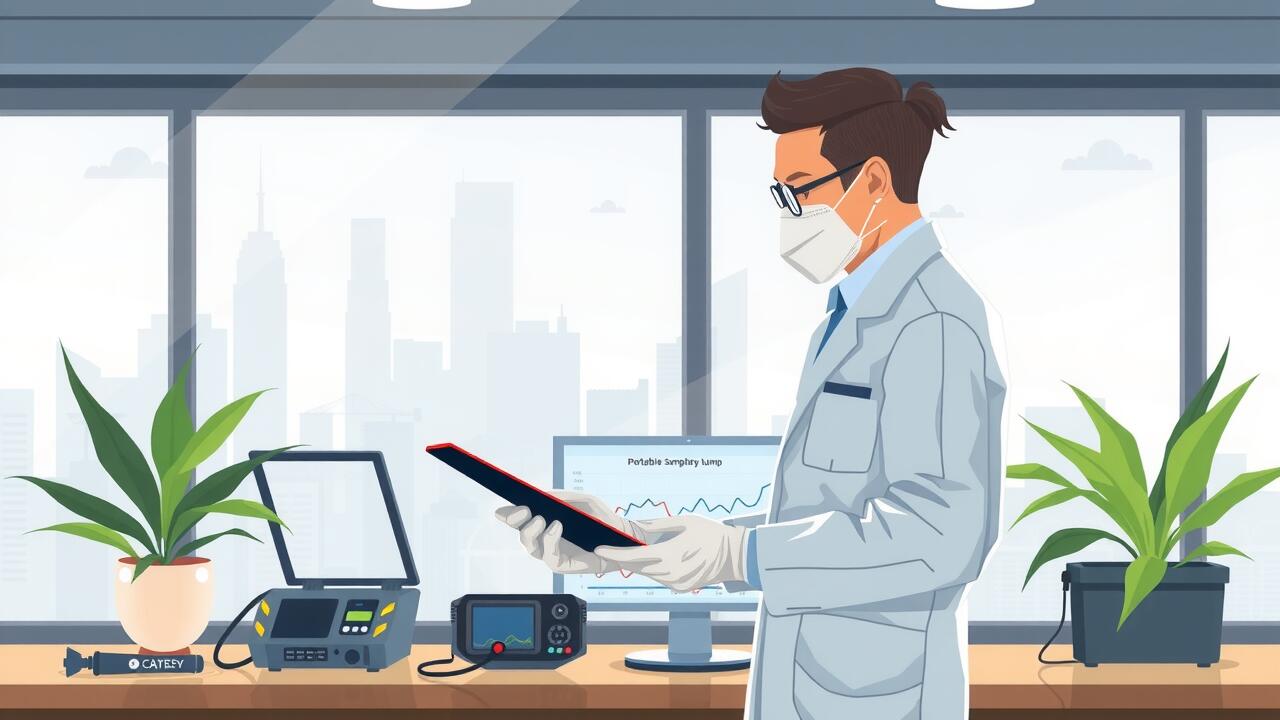
When budgeting for Air Quality Testing, it's essential to be aware of potential additional fees that may not be included in the initial quote. Some service providers charge for equipment setup, particularly if specialized devices are required for specific contaminants. In addition, certain testing methods may call for lab analyses that can increase the overall cost. Be sure to clarify what is covered in the base price and inquire about any potential add-ons before committing.
Consultation charges can also contribute to the final expense. If a professional evaluates your property or offers recommendations based on preliminary results, these services may incur extra costs. Travel fees might apply if the testing location is remote or outside the service provider's standard operating area. Understanding these factors can help ensure that you are prepared for comprehensive air quality testing without any unexpected financial surprises.
Travel and Consultation Charges
When scheduling air quality testing, it's important to consider the additional travel and consultation charges that may apply. Many testing companies have specific service areas and may charge a fee if your location is outside their typical range. This fee compensates for the time and resources needed to travel to your site. Additionally, if the service requires an initial consultation, expect to pay for this service as well, which often involves assessing your needs and determining the best testing approach.
Consultation charges can vary based on the complexity of the assessment. A straightforward evaluation might incur a lower fee than a comprehensive analysis that includes multiple testing methods. Prior to committing, it is advisable to inquire about these fees upfront to avoid unexpected costs. Knowing the complete financial picture permits better budgeting for air quality testing services.
Factors Affecting Price Variation
Several factors play a significant role in determining the cost of Air Quality Testing. The size of the area to be tested can greatly influence the price; larger spaces often require more extensive testing and multiple samples. The complexity of the test itself also affects costs, as specialized testing for specific contaminants might demand advanced equipment and expertise, leading to higher fees.
Additionally, the qualifications and experience of the testing professionals contribute to price variation. Companies with established reputations and certifications may charge more for their services, reflecting their higher level of trust and reliability. Another factor is the geographical location, as urban areas may have more competitive pricing compared to remote regions where fewer testing services are available. These elements combined create a diverse pricing landscape for Air Quality Testing.
Regional Differences in Testing Costs
The cost of air quality testing can vary significantly based on geographic location. Urban areas often experience higher prices due to increased demand and higher operational costs for testing companies. Conversely, rural regions may offer more competitive pricing as fewer companies operate in these areas, leading to lower overhead. This can impact the overall affordability of air quality assessments, making it essential to research local options to understand the pricing landscape.
In addition to general location, specific state regulations and environmental policies can also influence the cost of air quality testing. Areas with stricter guidelines or more comprehensive testing requirements may see increased prices to comply with local laws. It is beneficial for homeowners and businesses to consider these regional factors when budgeting for air quality testing. Understanding local market dynamics and regulations can help inform decisions and ensure accurate assessments at a reasonable cost.
Benefits of Investing in Air Quality Testing
Investing in Air Quality Testing can lead to significant health benefits for individuals and families. Poor air quality is linked to various respiratory issues, allergies, and long-term health conditions. By identifying pollutants and harmful substances in the home or workplace, individuals can take necessary steps to mitigate these risks. This proactive approach not only safeguards personal health but also enhances overall well-being.
Beyond health considerations, improved air quality can contribute to increased productivity and comfort in living environments. Clean air promotes better concentration and reduces absenteeism in workplaces. Families often experience fewer instances of illnesses, leading to reduced medical expenses over time. Addressing air quality concerns through testing serves as a preventive measure that can ultimately enhance quality of life.
Health Benefits Linked to Improved Air Quality
Investing in air quality testing can lead to significant health benefits for individuals and communities. Poor air quality is linked to numerous health issues, including respiratory problems, cardiovascular diseases, and even developmental disorders in children. By identifying harmful pollutants and allergens in the environment, air quality testing enables appropriate measures to be taken, reducing exposure and improving overall well-being.
Moreover, cleaner air contributes to enhanced mental health and productivity. Studies have shown that living in areas with better air quality can lead to reduced stress levels and improved cognitive function. By prioritizing air quality testing, individuals can take proactive steps toward fostering a healthier living environment, ultimately enhancing the quality of life.
FAQS
How much should I expect to pay for air quality testing?
The cost of air quality testing typically ranges from $200 to $800, depending on the extent of testing and the specific services provided.
Are there additional fees associated with air quality testing?
Yes, additional fees may include travel charges, consultation fees, and costs for specific tests or analyses that go beyond standard testing.
Why do air quality testing prices vary by region?
Prices can vary by region due to differences in local regulations, demand for services, and the cost of living in a particular area.
What are the health benefits of air quality testing?
Investing in air quality testing can lead to improved health outcomes, such as reduced respiratory issues, allergy symptoms, and overall better indoor air quality.
How can I find a reputable air quality testing service?
To find a reputable service, look for certified professionals, read customer reviews, and check for any relevant certifications or licenses in your area.