Energy Efficiency Ratings
Energy efficiency ratings play a crucial role in determining the overall cost of installing central air with existing ductwork. These ratings, often expressed as SEER (Seasonal Energy Efficiency Ratio), indicate how effectively a cooling system converts electricity into cooling power. Higher SEER ratings generally correlate with more efficient units. Investing in a system with a high SEER rating may entail a higher upfront cost, yet it can result in significant savings on energy bills over time.
Selecting a unit that meets energy efficiency standards can also affect how well the existing Air Duct Installation performs. Properly sized and sealed ducts enhance the unit's efficiency, ensuring that cool air reaches every room without unnecessary energy loss. Poorly maintained or incompatible ductwork can negate the benefits of a high-efficiency unit, leading to higher operational costs. Being informed about these ratings allows homeowners to make wiser choices regarding their central air systems.
Impact on Long-Term Costs
Investing in central air conditioning with existing ductwork can significantly influence long-term costs. While the initial installation may seem daunting, efficient systems can reduce energy consumption, leading to lower utility bills over time. When air duct installation is done correctly and the system is well-maintained, homeowners often notice a decrease in energy costs as the HVAC system operates more efficiently, making it a worthwhile investment.
Additionally, newer models often come with improved energy efficiency ratings, which can lead to further savings. Regular maintenance and timely repairs can extend the lifespan of both the central air system and the ductwork. Therefore, understanding these factors and how they contribute to ongoing expenses is crucial for homeowners looking to manage their long-term financial commitments effectively.
Choosing the Right Contractor
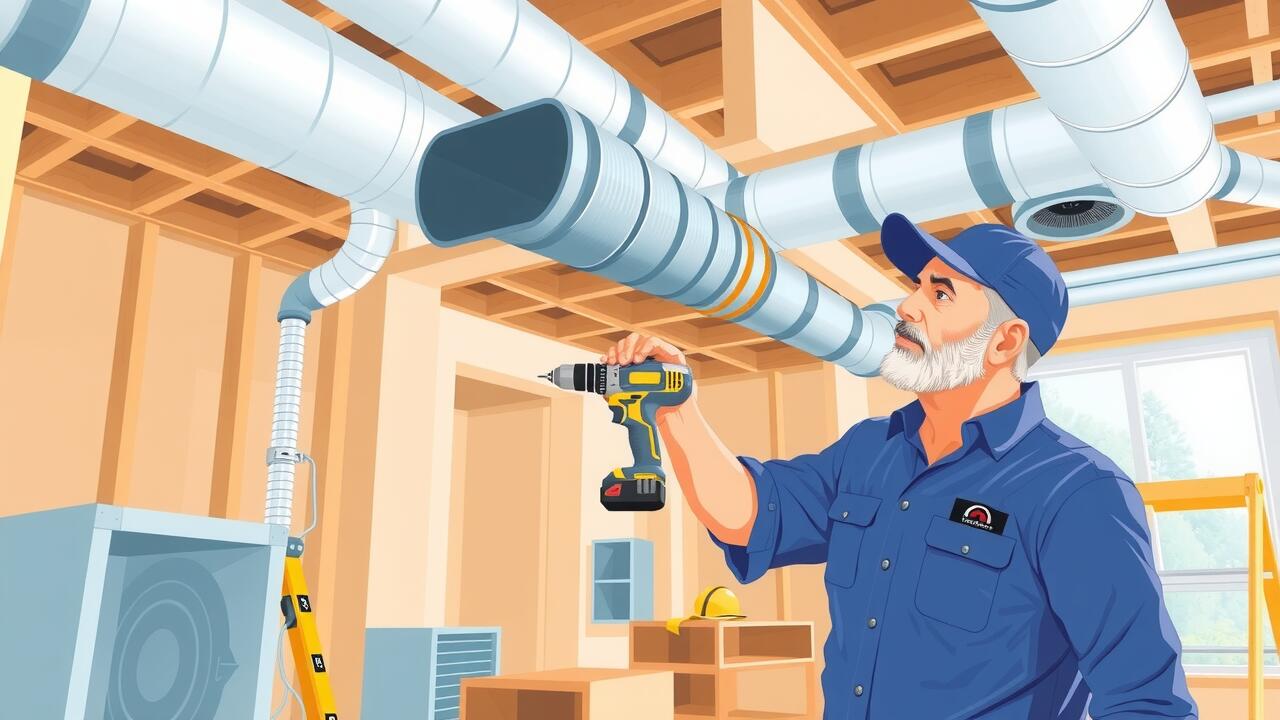
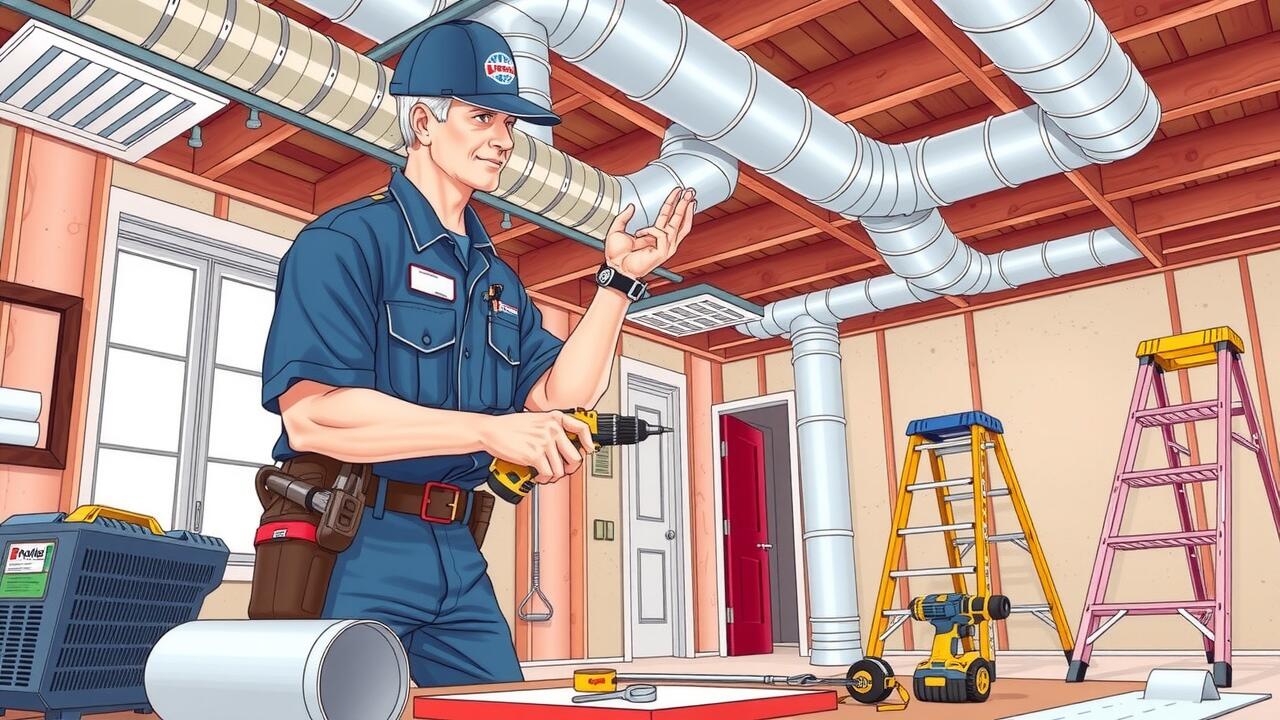
Selecting the right contractor for your central air installation is crucial to ensure a smooth process and optimal system performance. Look for professionals who are licensed and insured, as this provides a level of assurance regarding their expertise. Experience in air duct installation is especially important since existing ductwork must be evaluated for compatibility with the new system. Reading reviews and seeking referrals can also help you assess a contractor's reputation and reliability.
During the hiring process, ask potential contractors about their experience with similar projects, especially those involving air duct installation. It's essential to inquire about their methods for assessing existing ductwork and making necessary modifications. This ensures that the new air conditioning system operates efficiently and meets your cooling needs. Additionally, discussing warranties and service agreements upfront can prevent future misunderstandings and contribute to long-term satisfaction with your investment.
Key Questions to Ask
When considering a contractor for your central air installation with existing ductwork, it's essential to ask a few key questions to ensure you make an informed decision. Inquire about their experience with air duct installation and how familiar they are with the specific requirements of your home. Understanding their approach to integrating the new system with pre-existing ducts can shed light on their competence and approach to potential challenges.
Another important area to explore is the energy efficiency options available with the new system. Ask about the unit's energy efficiency ratings and how they might impact your long-term operational costs. This information will help you assess whether investing in a more efficient system will yield savings over time, particularly in relation to the air duct installation and overall performance of your heating and cooling system.
Maintenance and Operating Costs
When considering the maintenance and operating costs of central air systems, it's essential to factor in regular upkeep and potential repairs. An efficient system can significantly lower energy bills, especially when using existing ductwork from air duct installation. However, neglecting maintenance can lead to issues that may escalate repair costs and decrease system efficiency over time. Regular inspections and cleanings will help ensure optimal performance.
Operating costs will fluctuate based on energy consumption and local utility rates. Systems with higher energy efficiency ratings tend to be more cost-effective, yielding savings in the long run. Understanding the scope of your air duct installation can also help in predicting the overall lifespan of the system. Making an informed choice about the system can lead to more manageable costs throughout its operation.
Long-Term Financial Implications
Investing in central air conditioning can lead to significant long-term financial implications for homeowners. By utilizing existing ductwork, the initial costs may be lower than a complete system overhaul. However, energy efficiency ratings play a critical role in determining ongoing utility expenses. A system with a high Seasonal Energy Efficiency Ratio (SEER) can result in substantial savings over the years, offsetting the initial investment and reducing overall long-term costs.
Air duct installation is also a crucial consideration when evaluating long-term implications. Properly sealed and insulated ducts minimize energy loss, ensuring that conditioned air reaches its destination efficiently. Regular maintenance of both the central air system and the ductwork contributes to sustained performance, ultimately reflecting in lower utility bills and increased comfort in the home. Proactive attention to these elements helps secure both an economical and comfortable living environment over time.
FAQS
What is the average cost of installing central air with existing ductwork?
The average cost can range from $3,000 to $7,000, depending on the size of your home, the type of system chosen, and installation complexity.
How does energy efficiency impact the cost of central air installation?
Higher energy efficiency ratings typically lead to a higher upfront cost, but they can save you money on energy bills in the long run.
What should I consider when choosing a contractor for my central air installation?
Look for experience, certifications, customer reviews, and ensure they provide detailed estimates. It's also helpful to ask about warranties and follow-up services.
What key questions should I ask my contractor before installation?
Inquire about their licensing, insurance, experience with similar installations, estimated timeline, and whether they offer maintenance services.
Are there ongoing costs associated with central air systems?
Yes, maintenance and operating costs can include regular servicing, filter replacements, and energy usage, which can vary based on system efficiency and local energy rates.