Table Of Contents
Regional Cost Variations
Regional variations play a significant role in determining the cost of brake service and repair. Urban areas often witness higher labor rates compared to rural regions due to increased overhead expenses. Additionally, the prevalence of specialized auto repair shops in cities can lead to competitive pricing, while rural mechanics may have limited options, potentially driving up costs for their services.
Local taxes and regulations also influence the overall expenses associated with brake service and repair. Some states impose specific fees on vehicle maintenance that can contribute to higher prices. In contrast, regions with fewer regulations might offer more affordable rates. Understanding these regional dynamics can help vehicle owners budget for necessary repairs more effectively.
How Location Affects Pricing
The cost of Brake Service and Repair significantly varies based on geographic location. Urban areas typically experience higher labor rates due to increased demand and cost of living. This means that residents in cities might pay more for the same services compared to those in rural regions where competition among mechanics often drives prices down. Geographic factors, including state taxes and regional automotive markets, also contribute to these pricing differences.
Climate can impact the frequency of brake issues and, consequently, repair costs in certain locations. For instance, regions that experience harsher winters may see more wear on brakes due to icy conditions and salted roads, leading to more frequent repair needs. Vehicle owners in these areas may find themselves scheduling Brake Service and Repair more often, affecting their overall maintenance budget. Understanding these local factors can help individuals make informed decisions when it comes to the upkeep of their vehicles.
Warranty and Insurance Considerations
When considering the costs associated with brake service and repair, understanding warranty and insurance options is essential. Many new vehicles come with manufacturer warranties that cover certain repairs, including brake components. If your car is still under warranty, it’s crucial to read the fine print to determine which types of brake service and repair are included. This can significantly reduce out-of-pocket expenses, especially if your vehicle requires extensive repairs.
Insurance policies can also play a role in the costs of brake repairs. If your vehicle sustains damage from an accident that impacts the braking system, your comprehensive or collision coverage may cover part of the repair costs. It’s important to consult with your insurance provider to understand the specifics of your policy, including deductibles and coverage limits. This knowledge can help you make informed decisions and potentially save money when you need brake service and repair.
Coverage Options for Repairs
Many vehicle owners may not be aware of the various coverage options available for Brake Service and Repair. Most standard auto insurance policies do not cover routine maintenance or mechanical failures, but some insurers offer optional coverage for repairs. Extended warranties can also include specific provisions for brake-related issues. This ensures that while regular wear and tear might not be covered, significant problems that arise can be addressed without substantial out-of-pocket expenses.
Before committing to any insurance policy or warranty plan, it's essential to thoroughly review the terms and conditions. Different plans have varying coverage limits and exclusions that can significantly impact repair costs. In addition, asking your insurance provider about discounts or bundled services related to Brake Service and Repair can lead to potential savings. Exploring these options may alleviate financial burdens when repairs are needed, allowing for a more proactive approach to vehicle maintenance.
Importance of Regular Maintenance
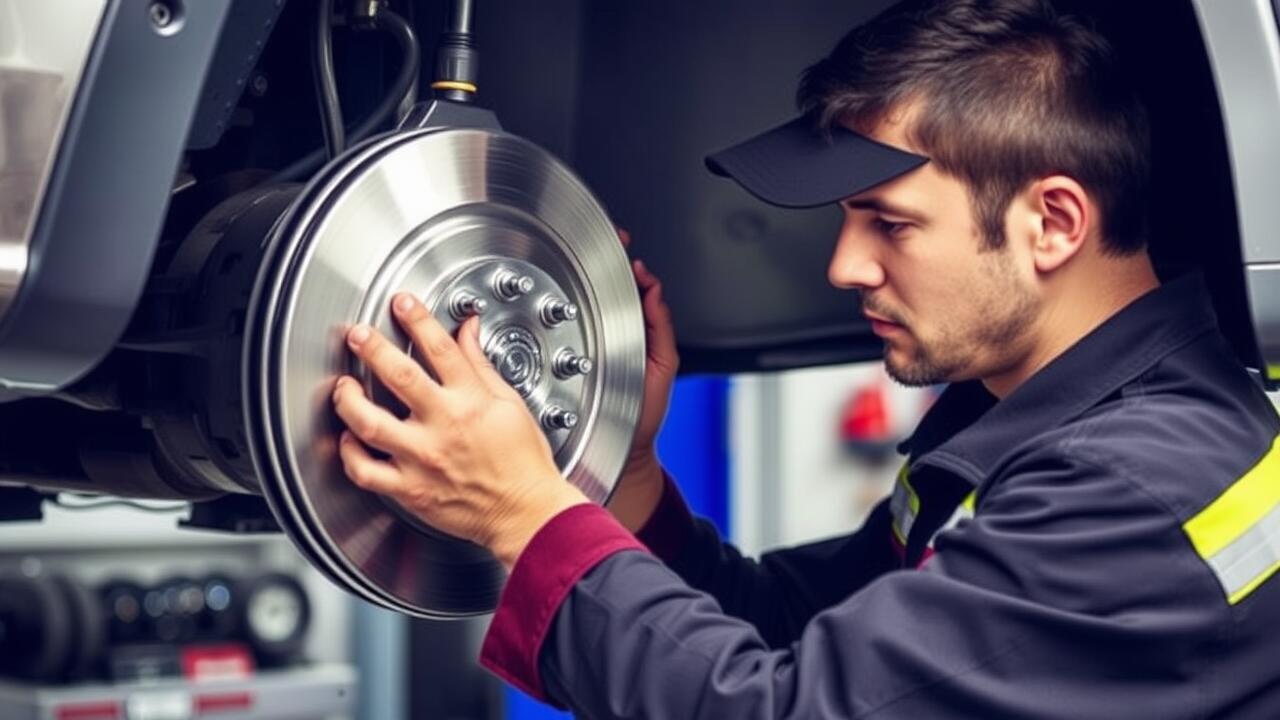
Regular maintenance of your vehicle's braking system is crucial for safety and efficiency. Scheduling Brake Service and Repair at recommended intervals ensures that all components function optimally. Drivers often overlook signs of wear, which can lead to more severe damage and costlier repairs down the road. Addressing issues early helps maintain braking performance and extends the lifespan of the system.
Additionally, proactive maintenance can result in significant savings. When you invest in Brake Service and Repair, you decrease the likelihood of emergency fixes that can disrupt your budget. Routine checks can identify minor problems before they escalate, allowing for repairs that are typically less expensive than major overhauls. Prioritizing regular service not only safeguards your vehicle but also promotes peace of mind for every journey.
How Maintenance Can Save You Money
Regular maintenance of your vehicle's braking system can significantly reduce long-term costs. Addressing minor issues early on allows you to avoid more extensive repairs down the line. Routine inspections often reveal worn-out components such as pads and rotors before they can cause further damage. By investing in Brake Service and Repair periodically, you maintain optimal performance and extend the lifespan of your braking system.
Scheduled maintenance not only enhances safety but also improves your vehicle's overall efficiency. When brakes function properly, the rest of the vehicle operates more smoothly, leading to better fuel economy. This efficiency can result in savings at the pump, contributing to lower operational costs. Prioritizing Brake Service and Repair as a crucial aspect of vehicle upkeep proves beneficial in preventing costly breakdowns and ensuring peace of mind while driving.
FAQS
What factors influence the cost of braking system repair?
The cost of braking system repair can be influenced by several factors, including the type of vehicle, the severity of the damage, labor rates in your region, and whether you choose original equipment manufacturer (OEM) parts or aftermarket parts.
Are there significant regional cost variations for braking system repairs?
Yes, the cost of braking system repairs can vary significantly depending on your location. Urban areas with higher labor costs typically see higher repair prices compared to rural areas.
Does my warranty cover braking system repairs?
Coverage for braking system repairs depends on the specifics of your warranty. Most manufacturer warranties cover defects in materials and workmanship, while extended warranties may have specific clauses regarding wear-and-tear items like brake pads and rotors.
How can regular maintenance help reduce braking system repair costs?
Regular maintenance, such as brake inspections and timely replacements of worn parts, can prevent more extensive and costly repairs down the line. Maintaining your braking system can enhance safety and extend the life of the components.
What are some common signs that my braking system needs repair?
Common signs that your braking system may need repair include squeaking or grinding noises, a soft or spongy brake pedal, vibrations during braking, or the brake warning light appearing on your dashboard. If you experience any of these symptoms, it's important to have your brakes inspected promptly.